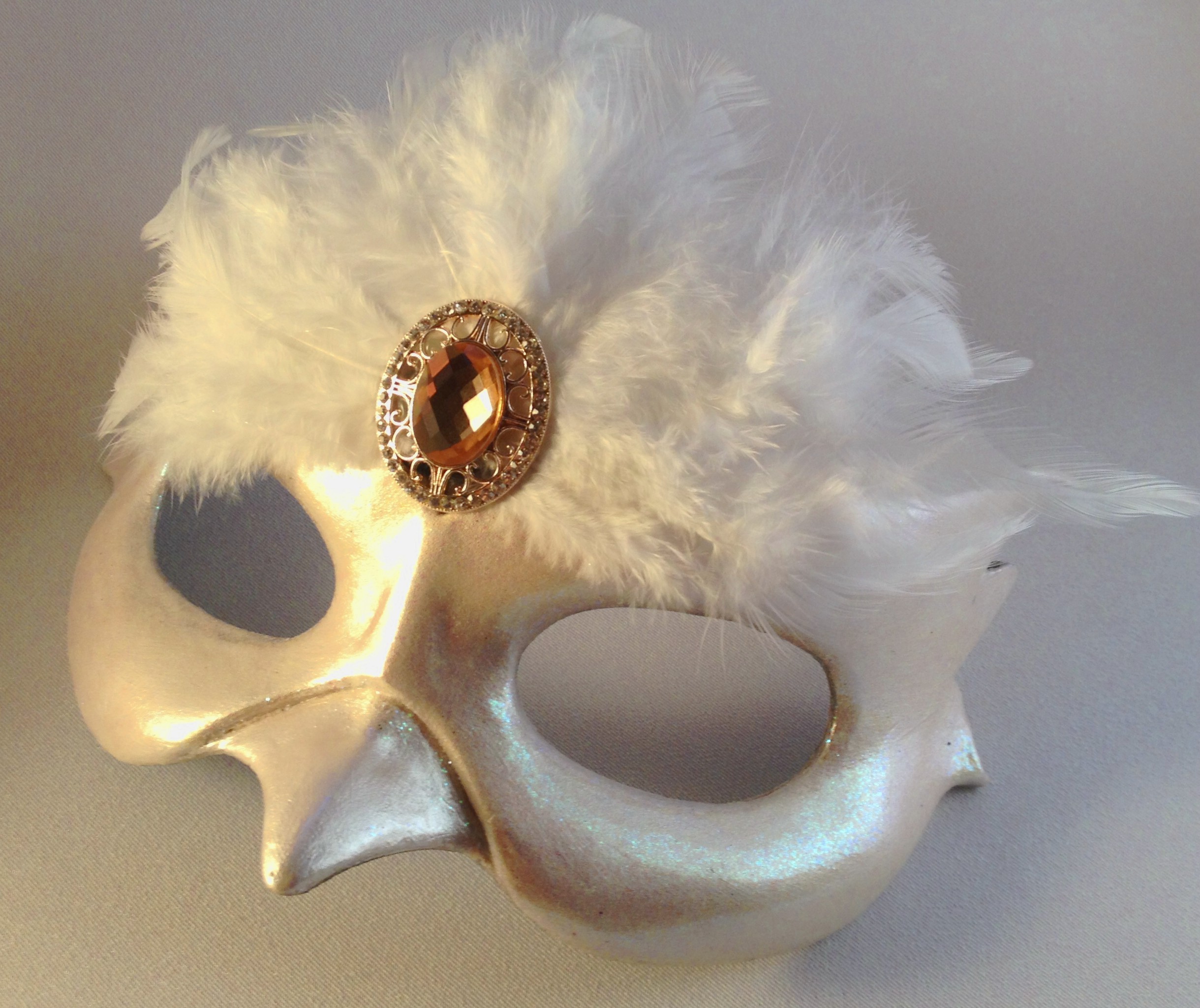
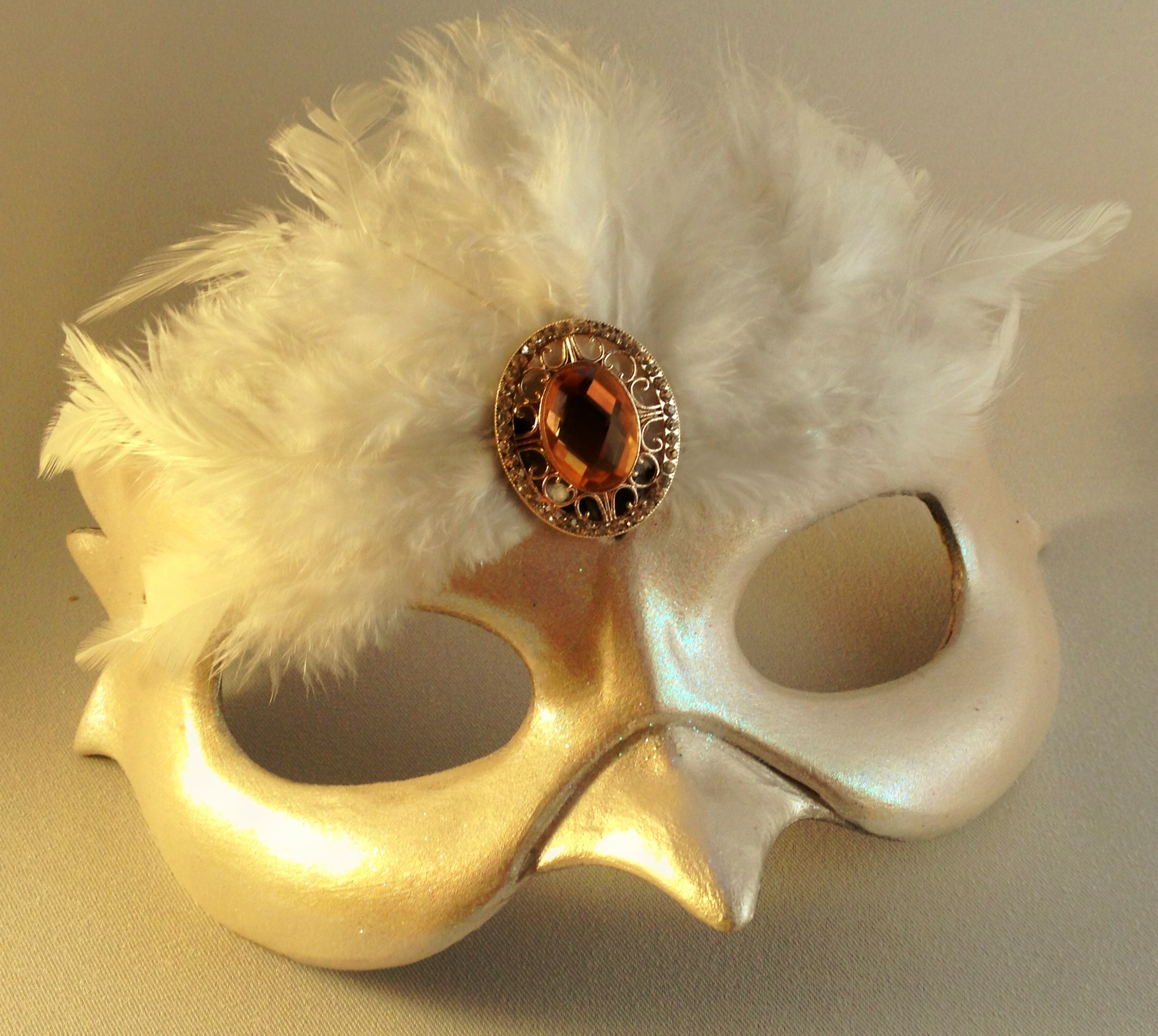
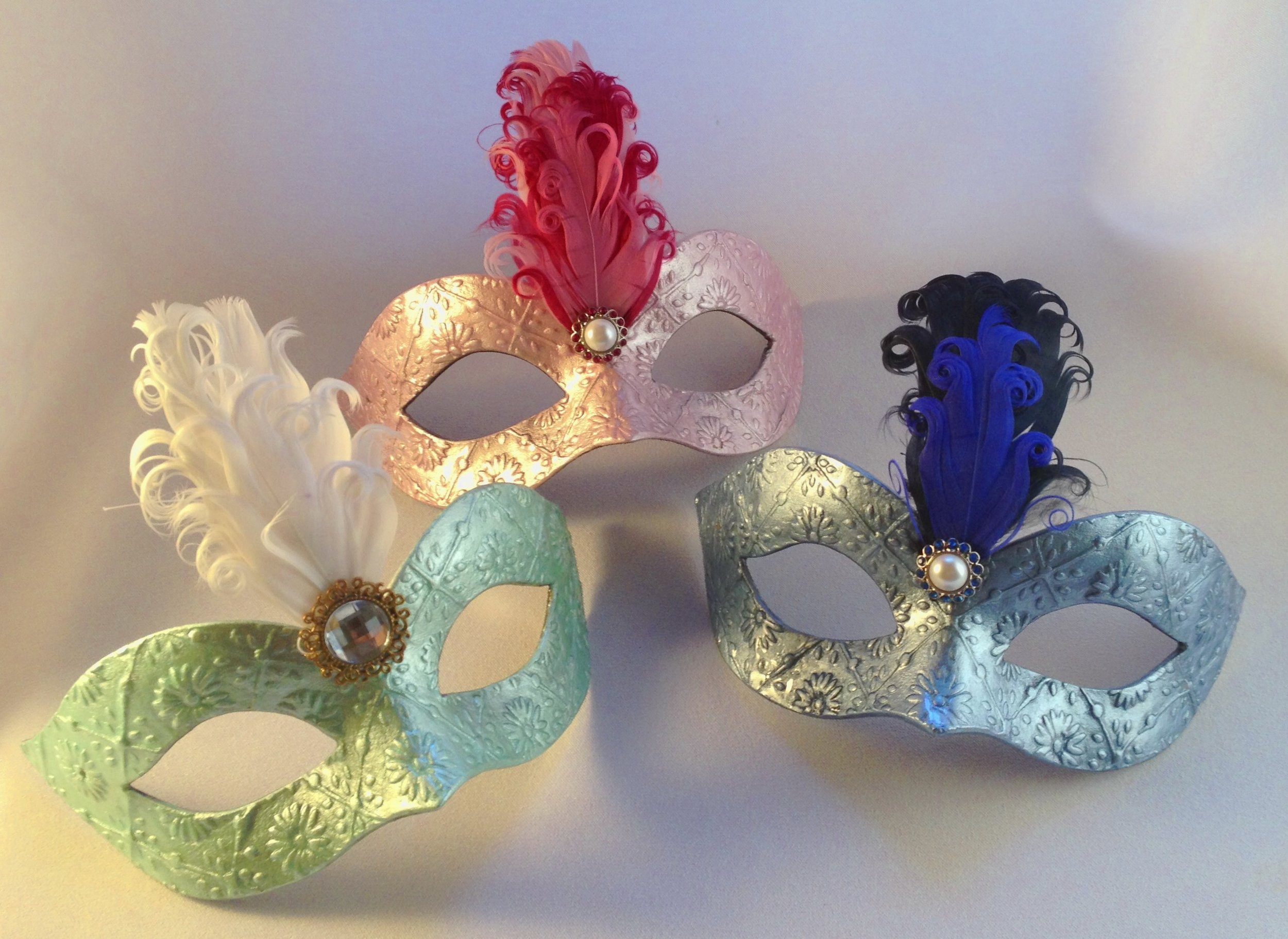
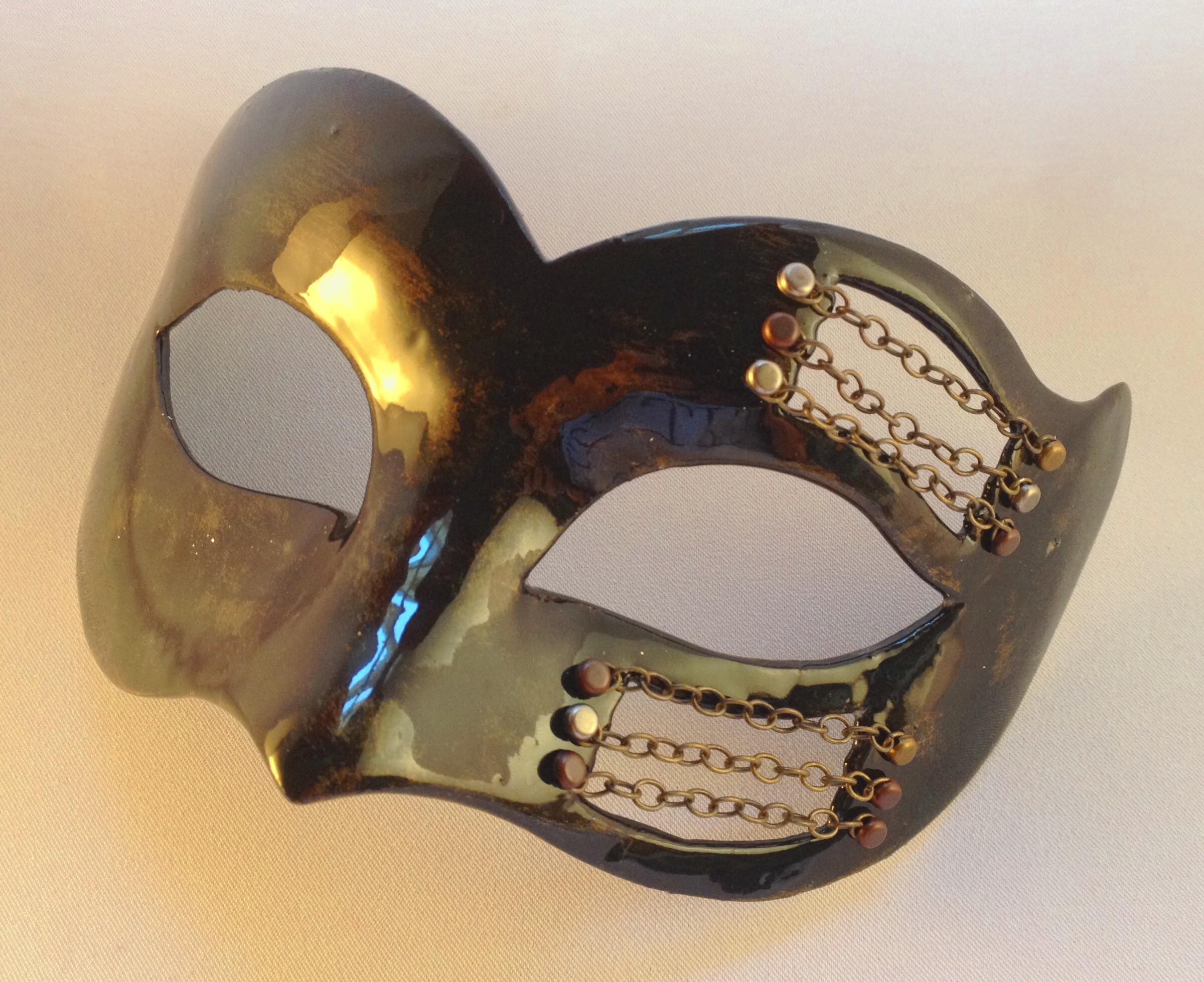
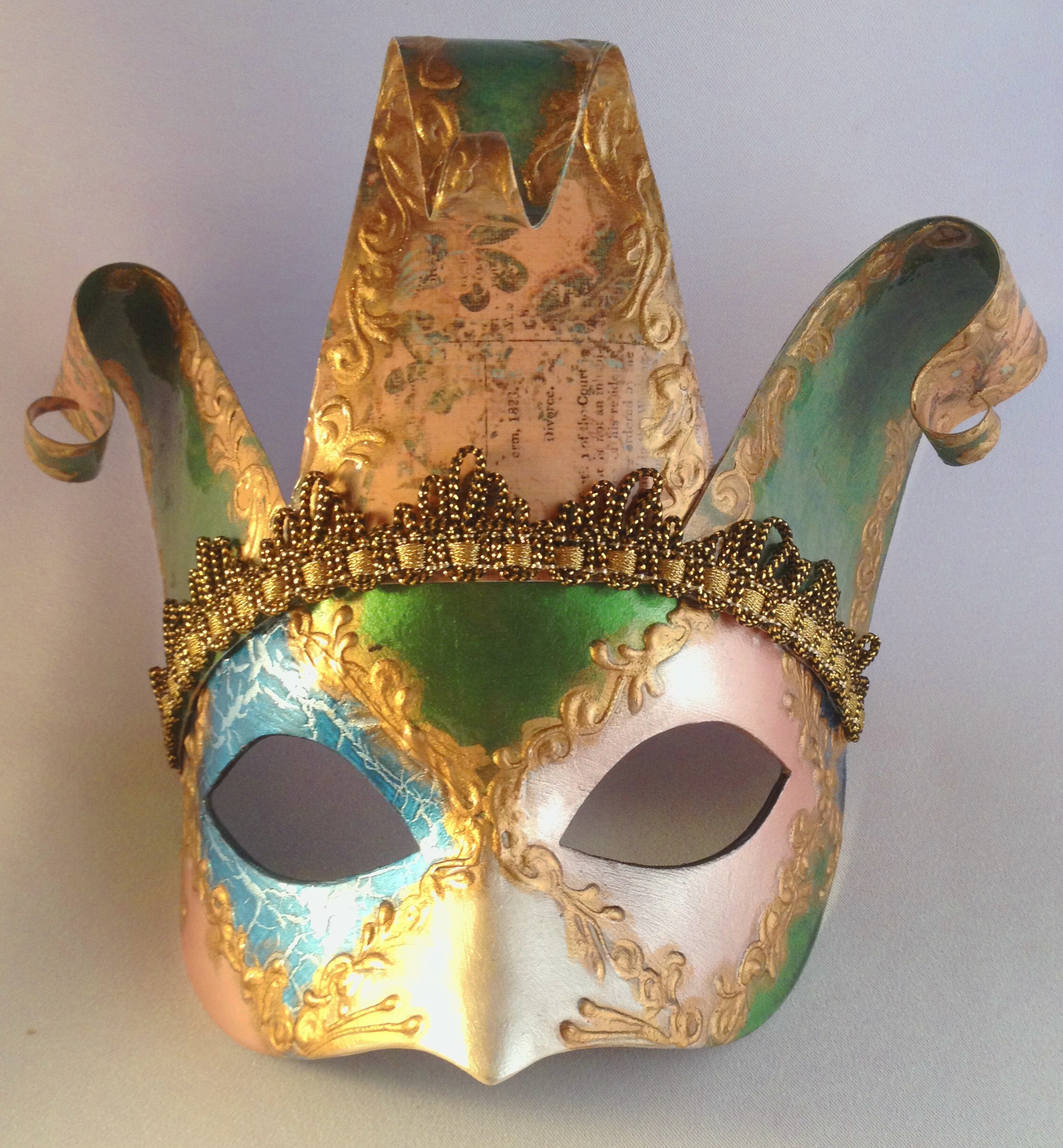
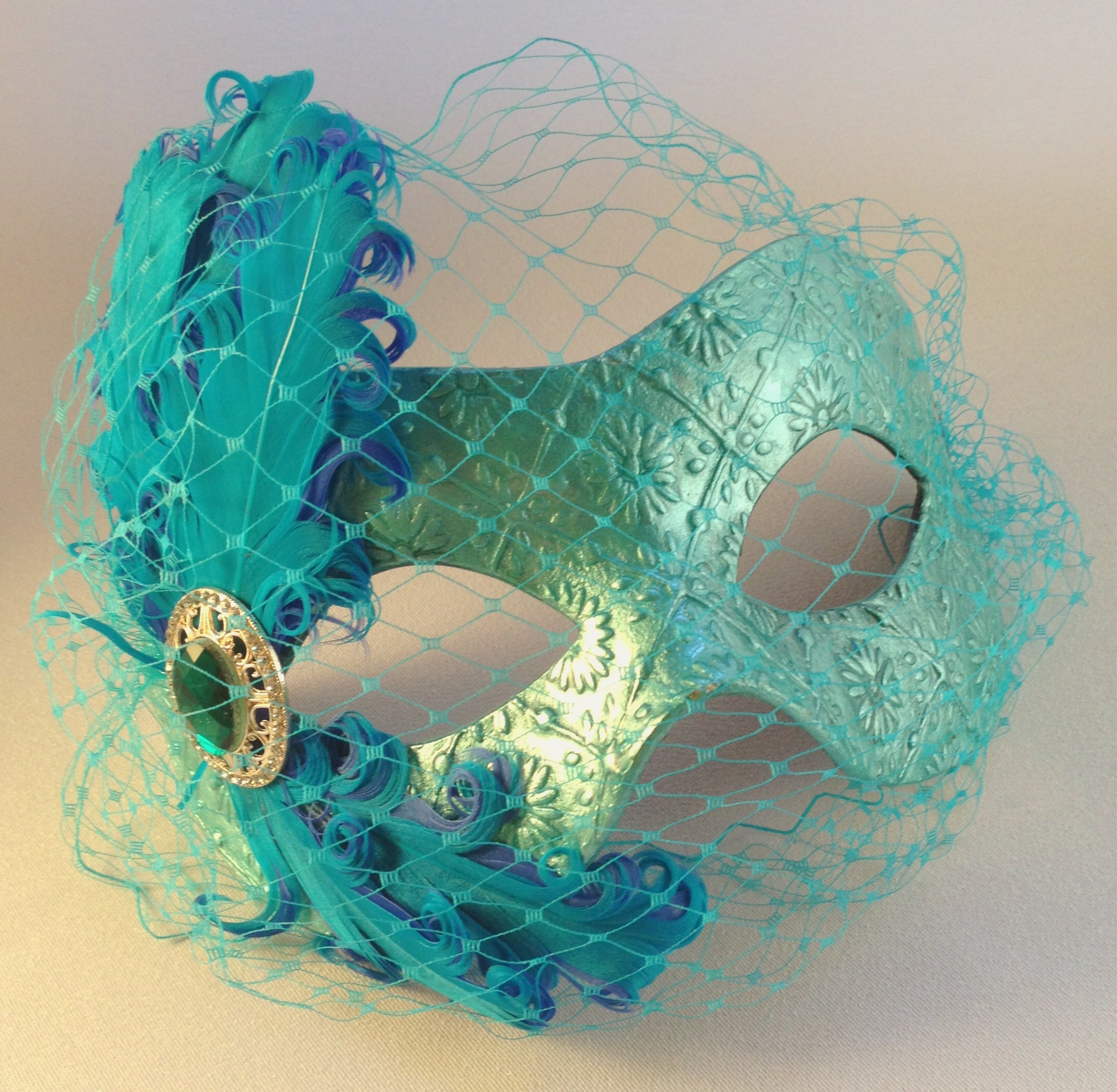
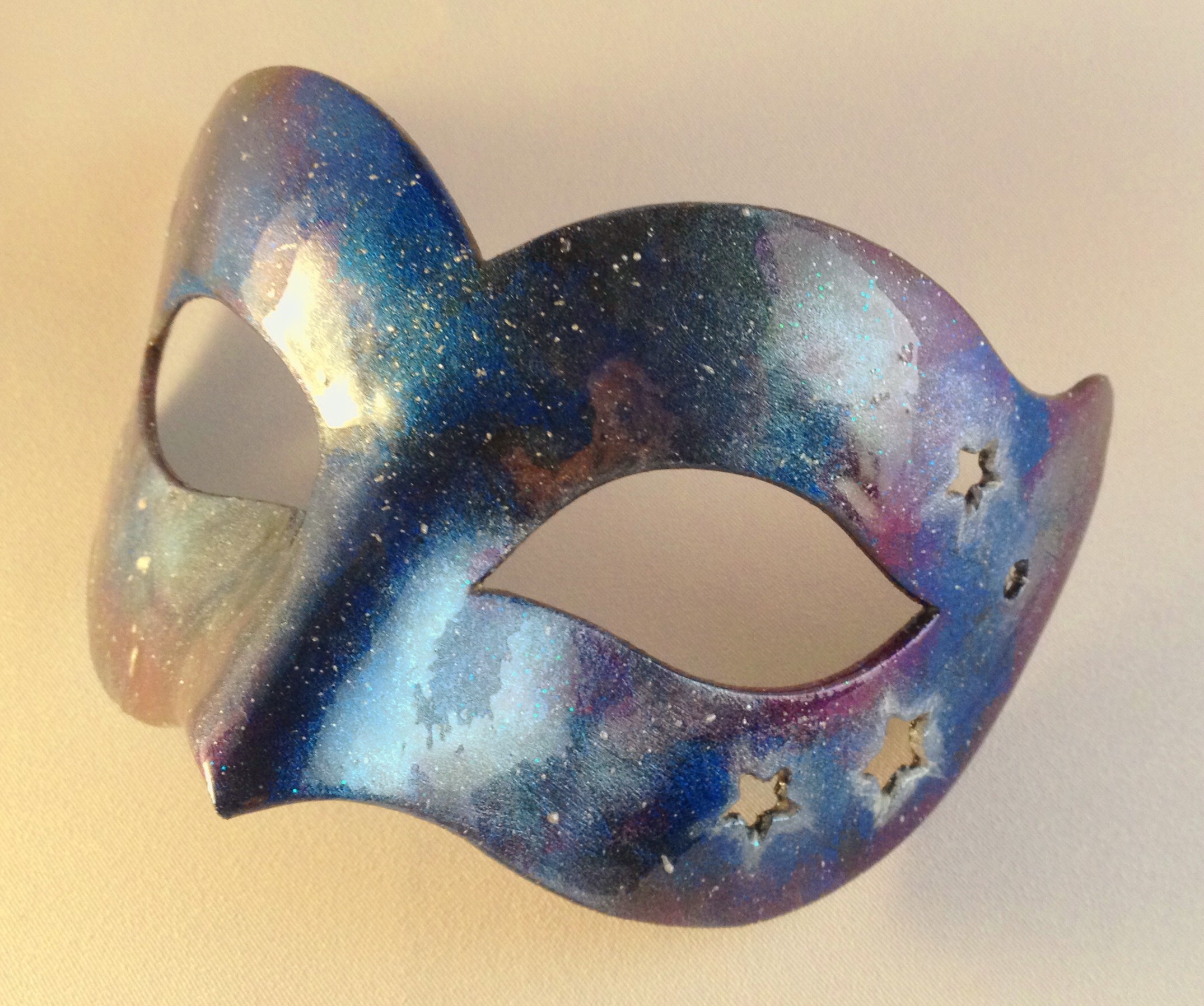
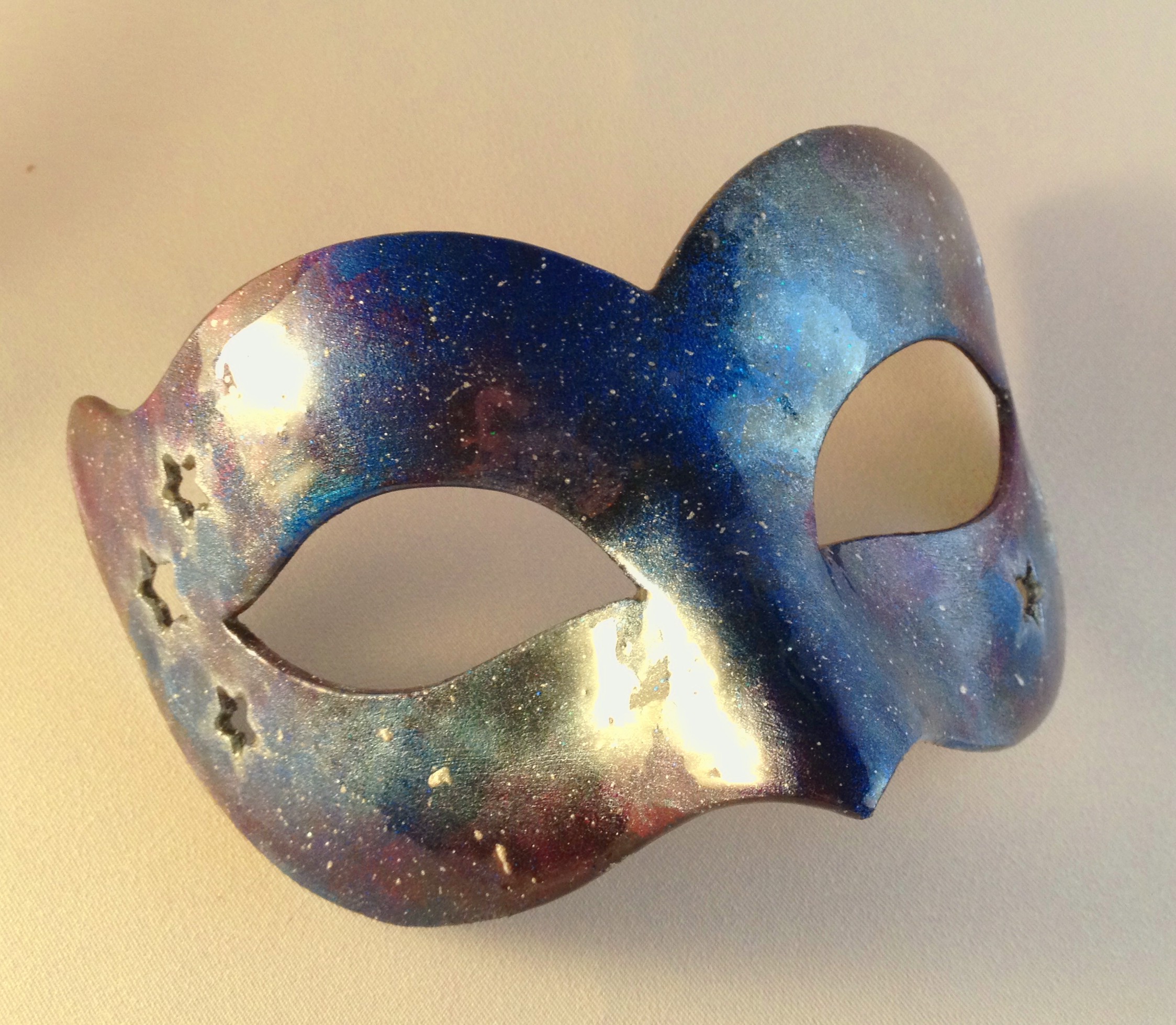
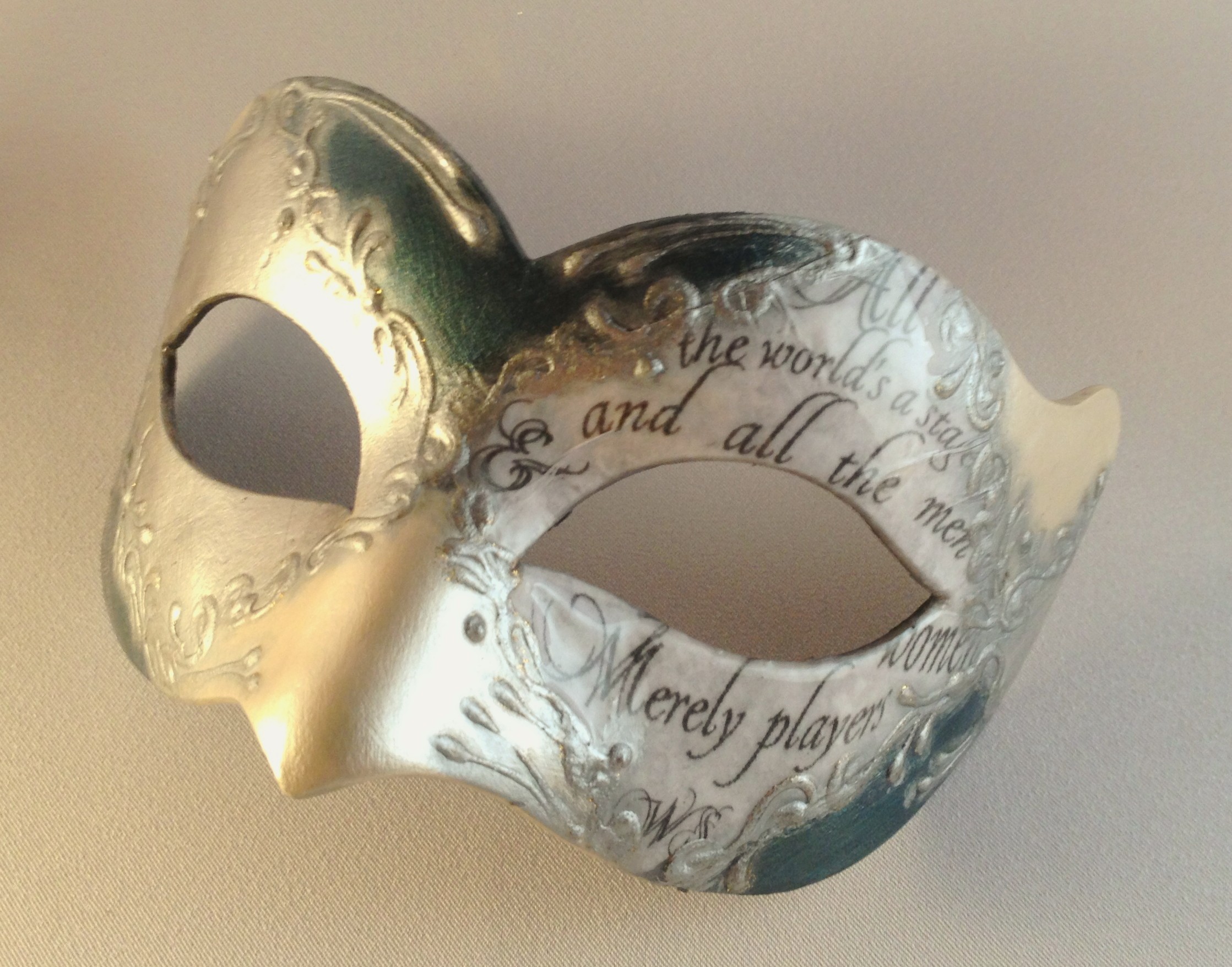
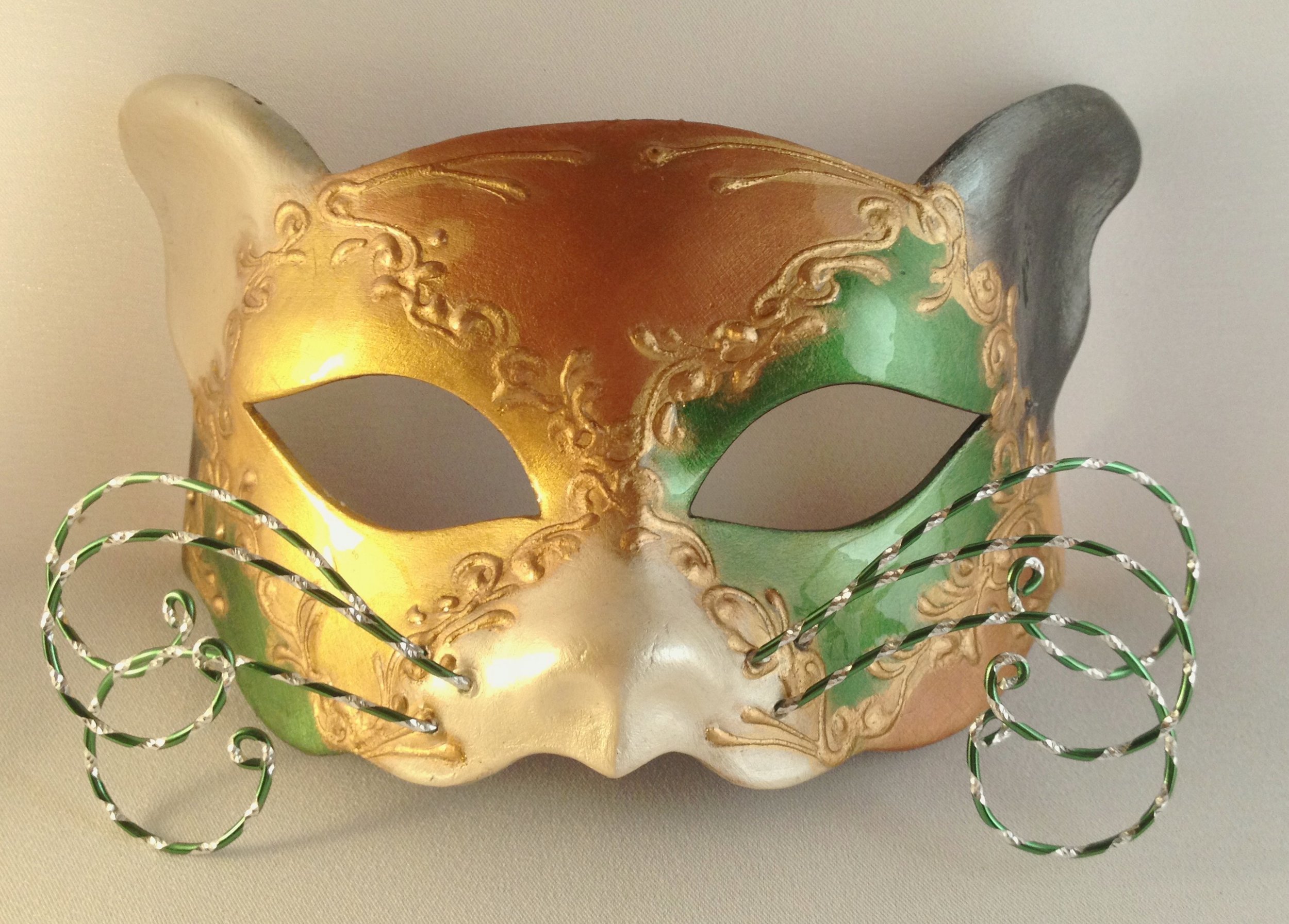
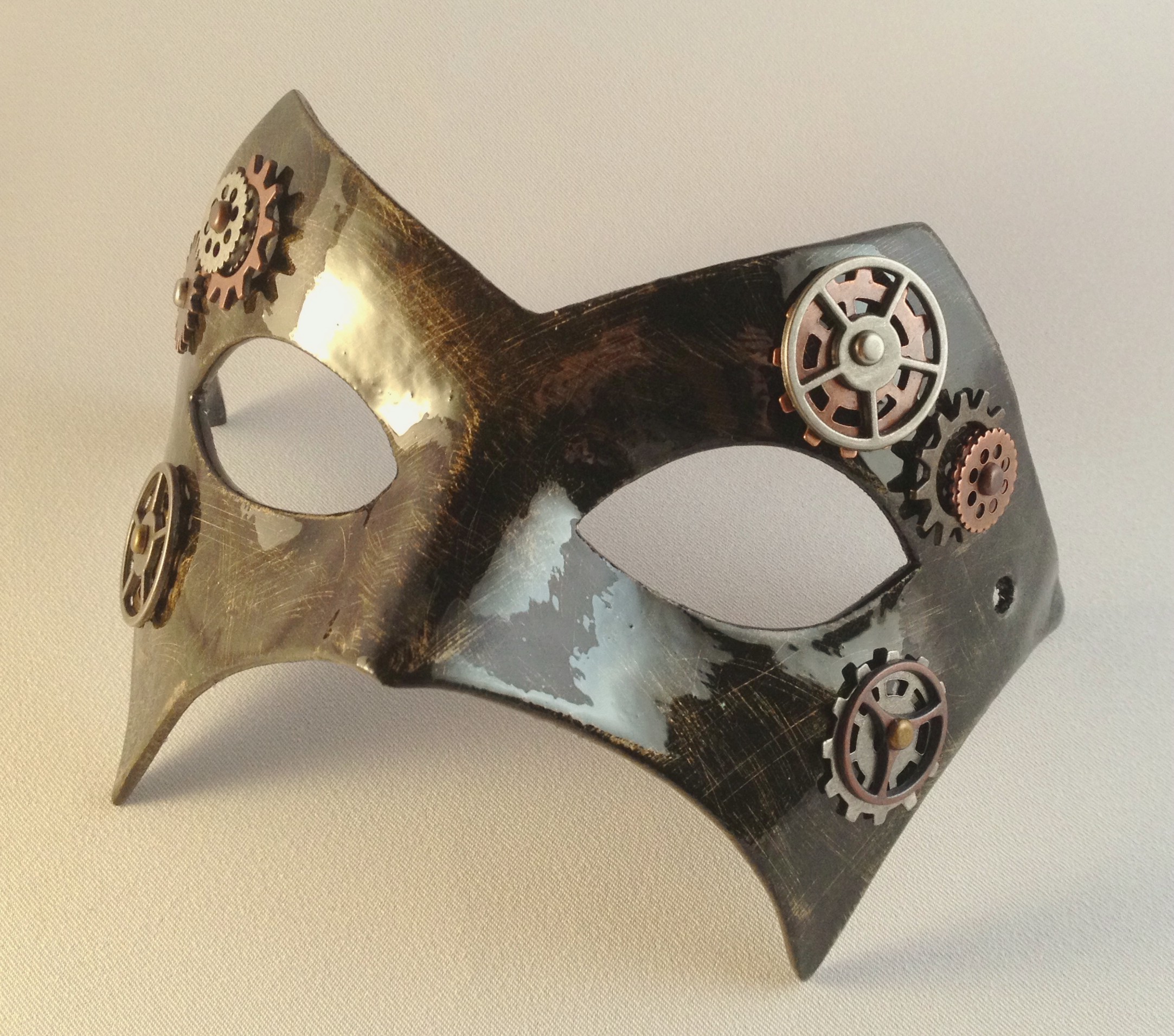
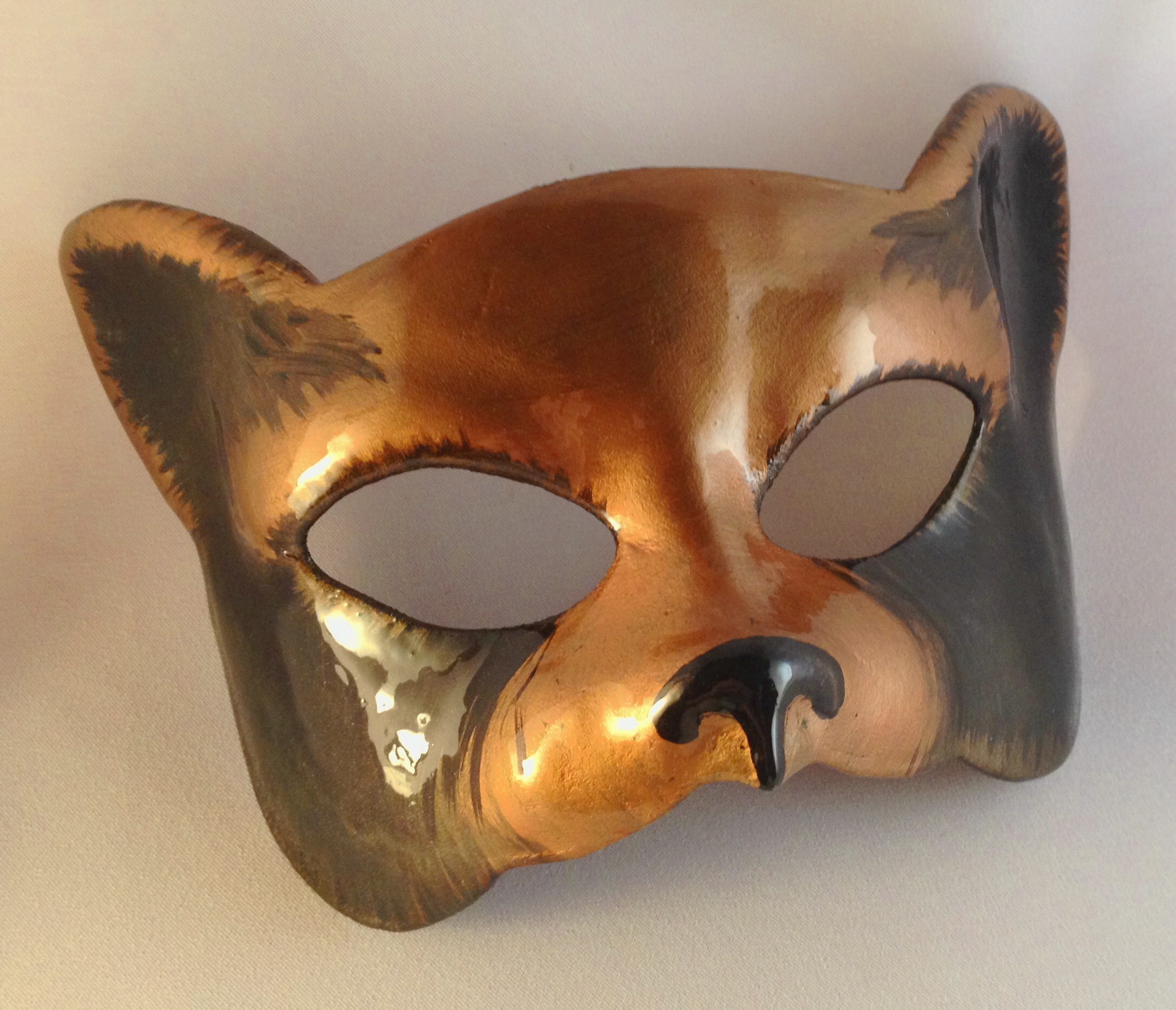
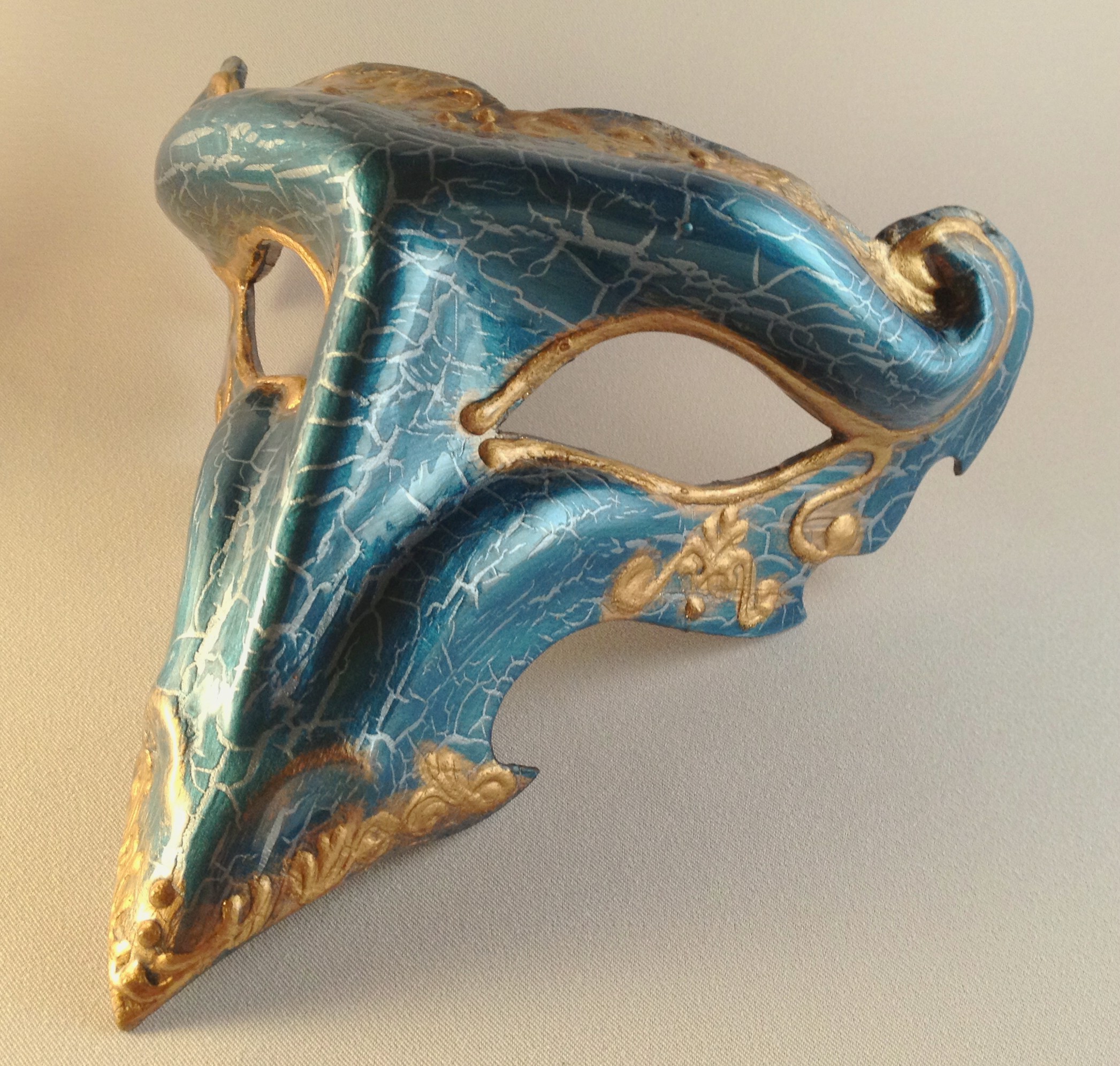
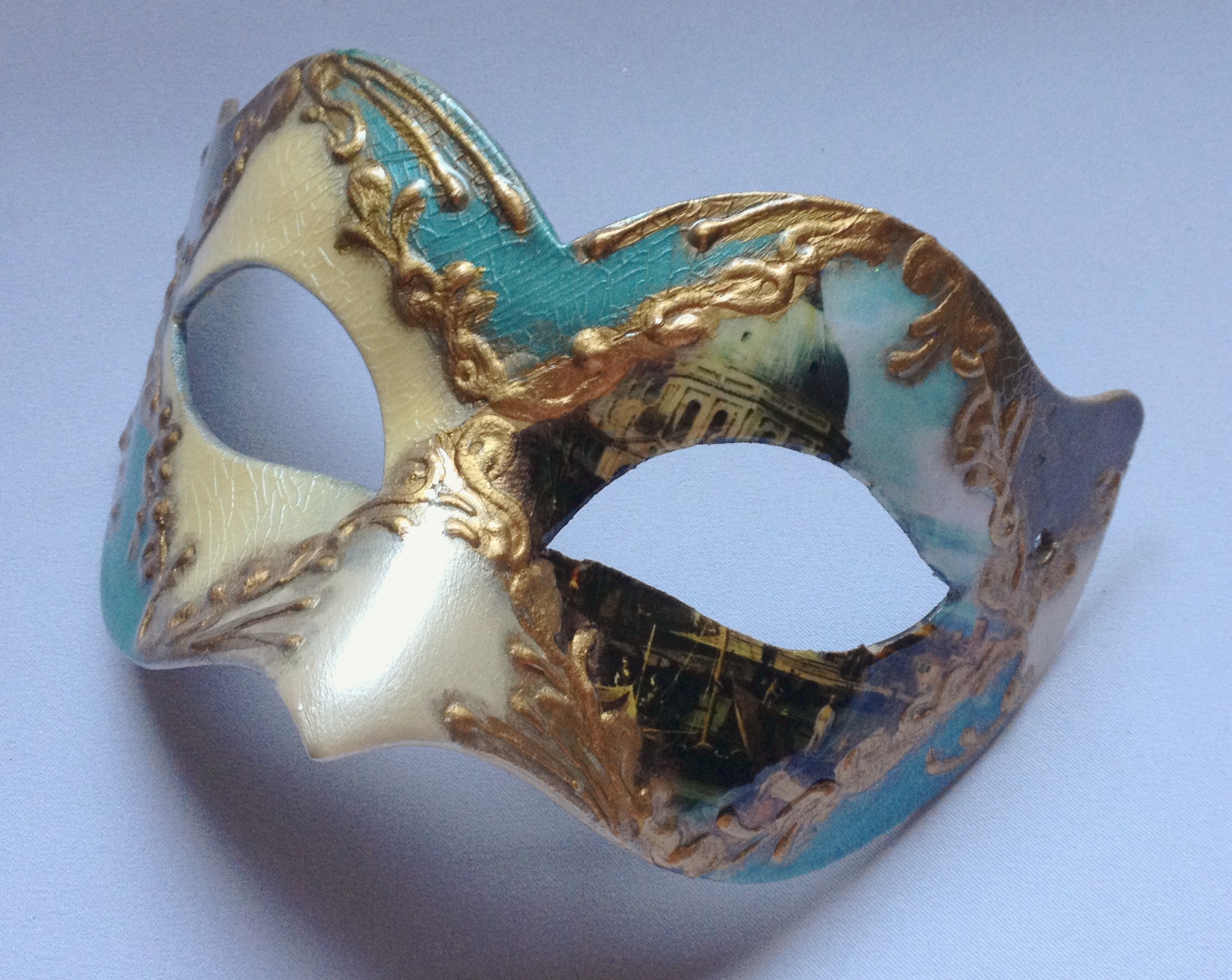
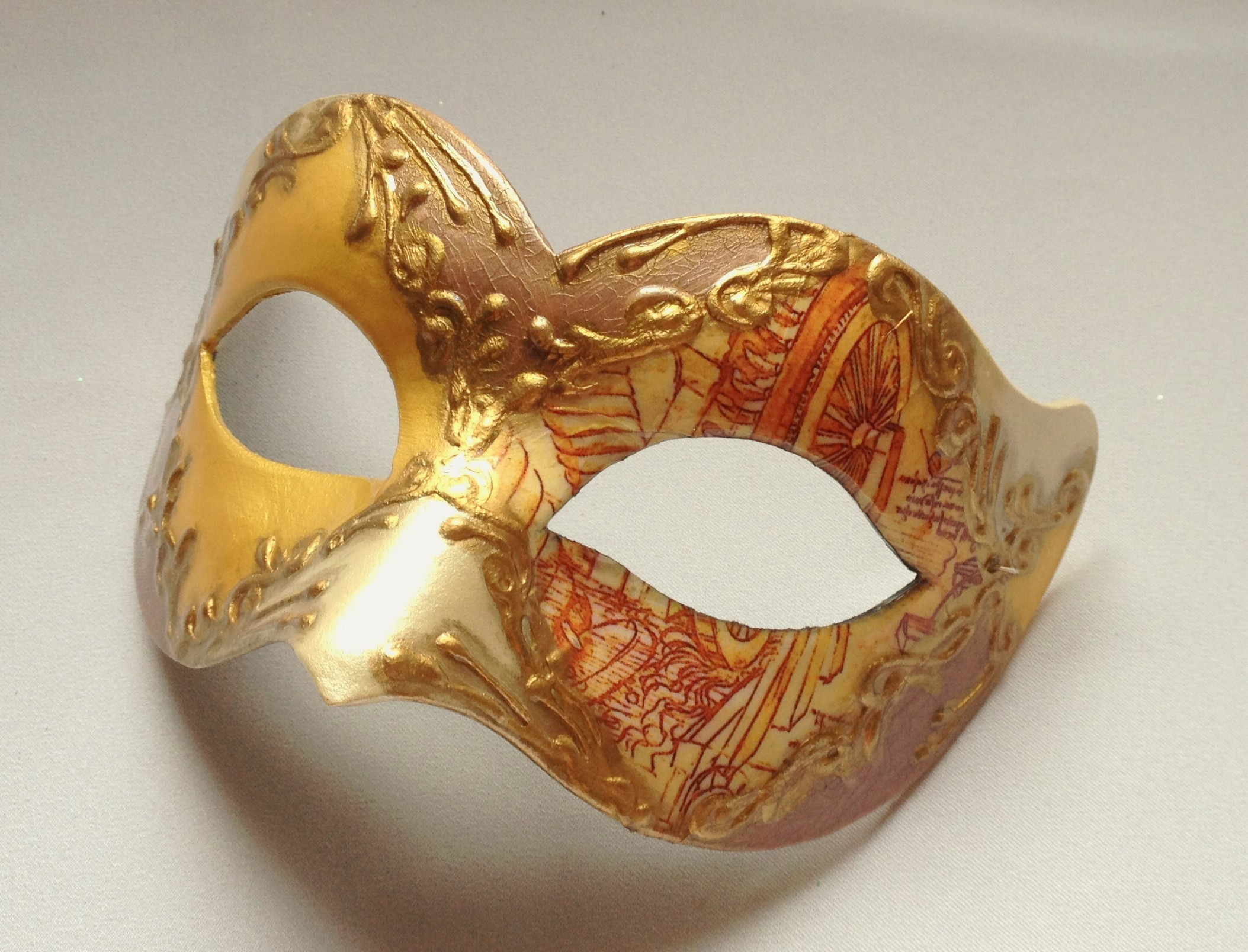
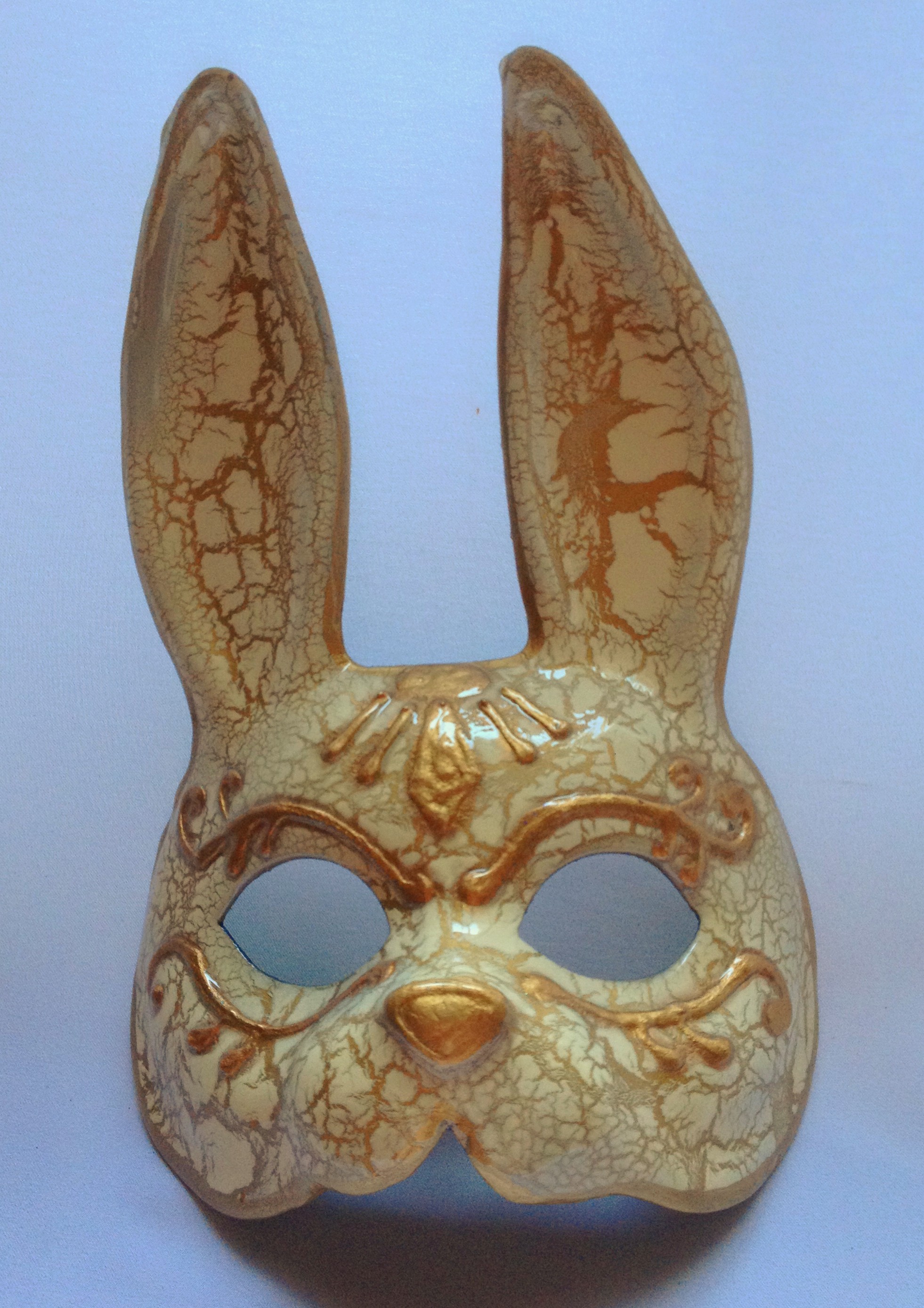
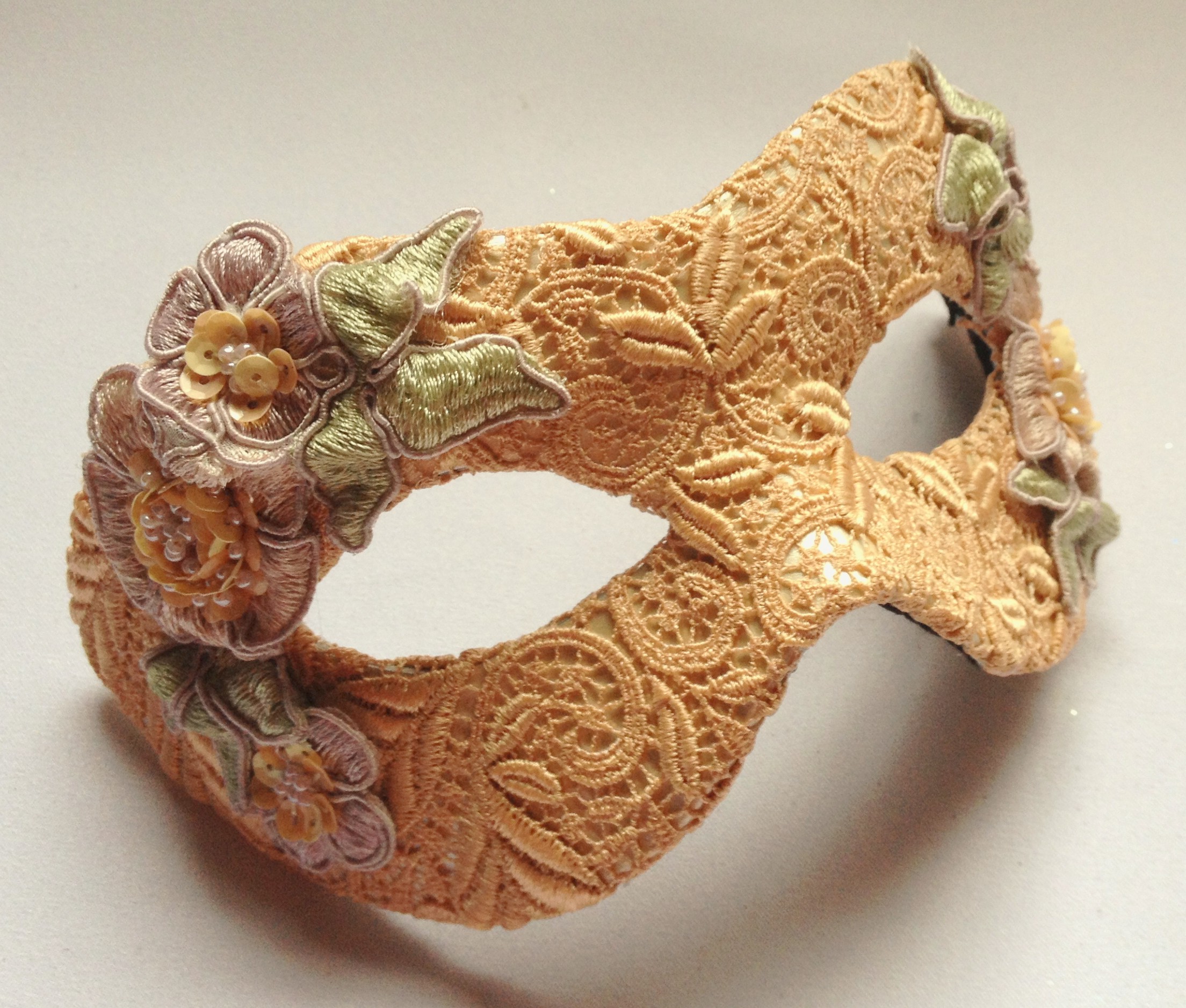
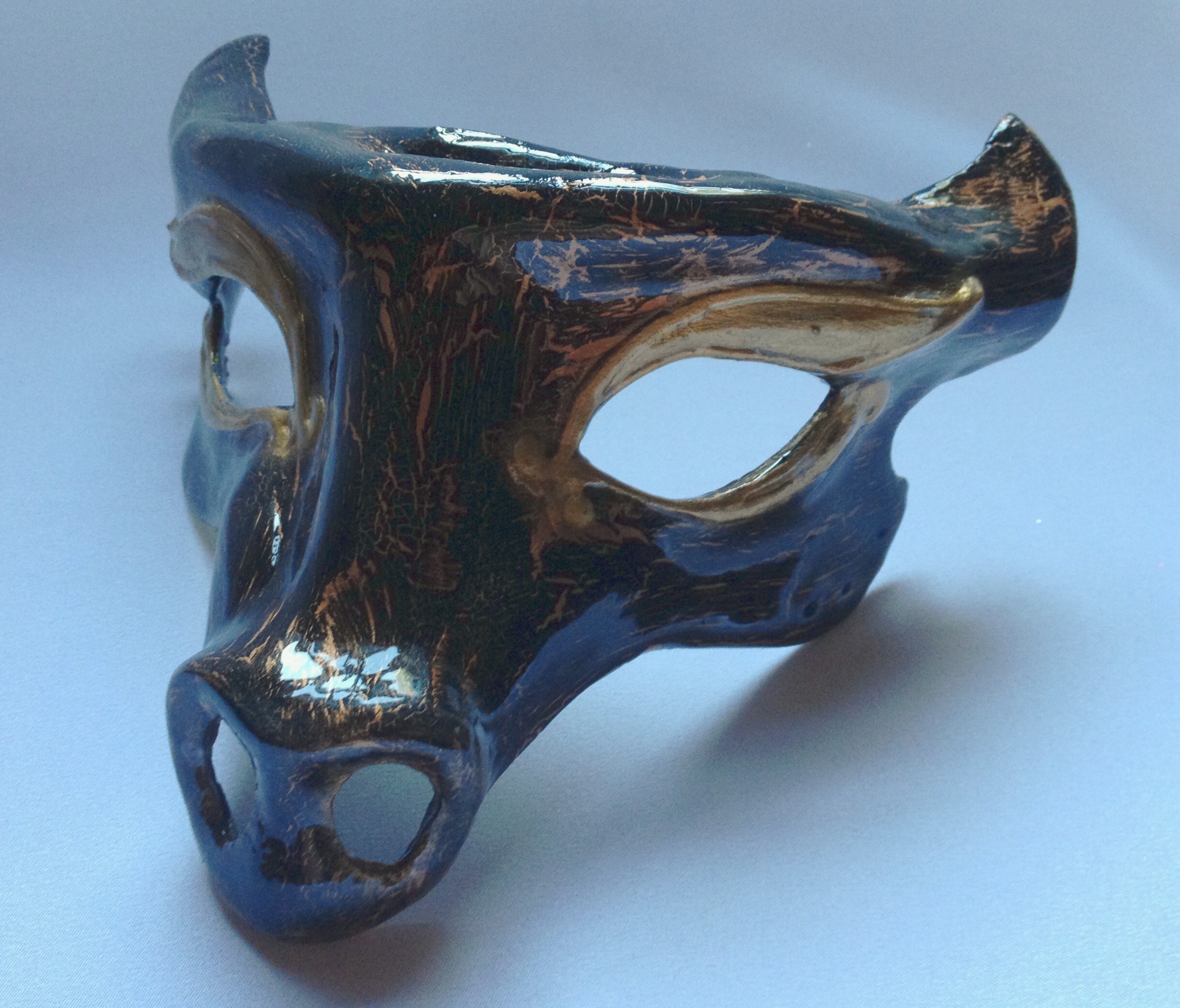
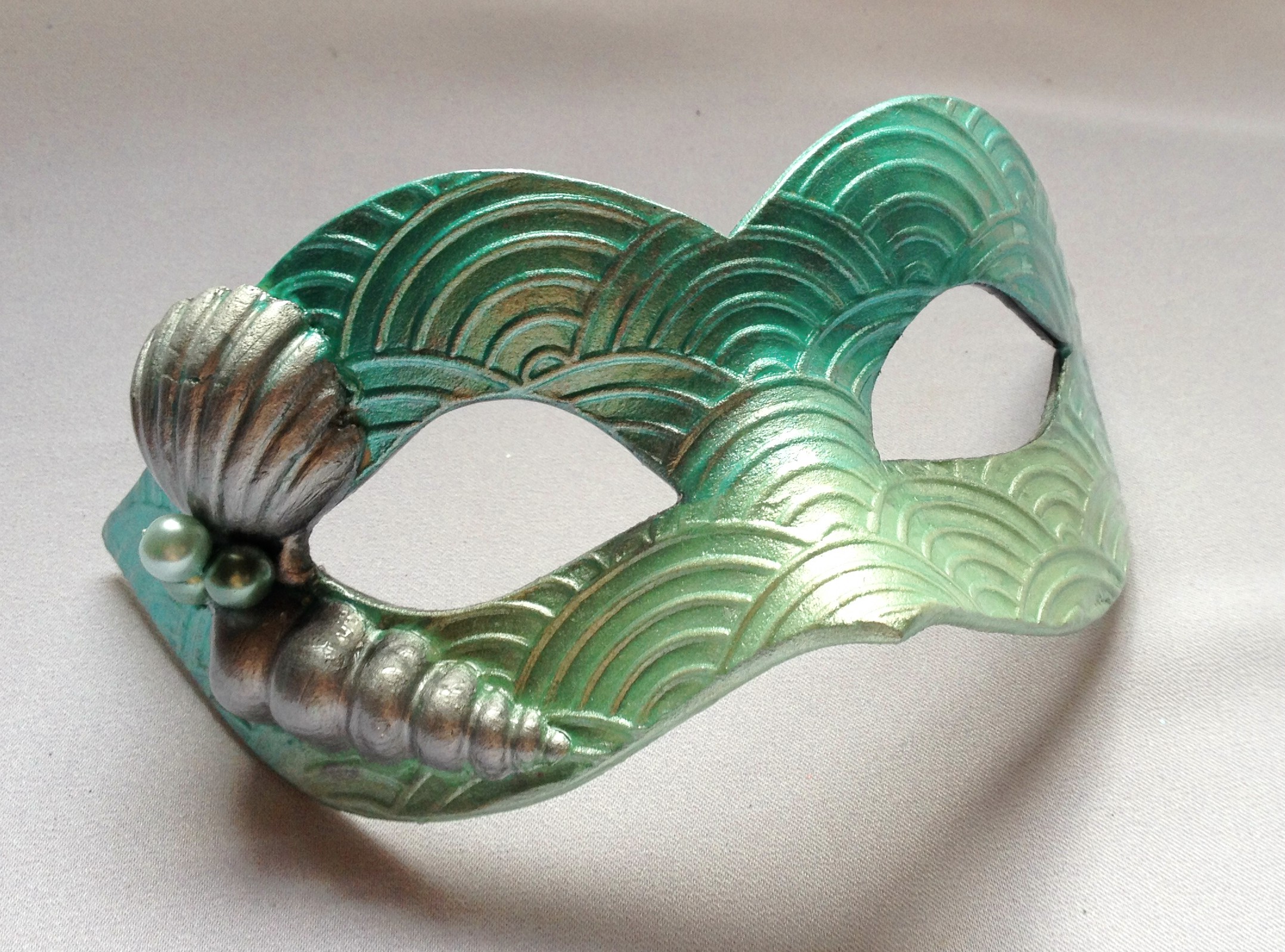
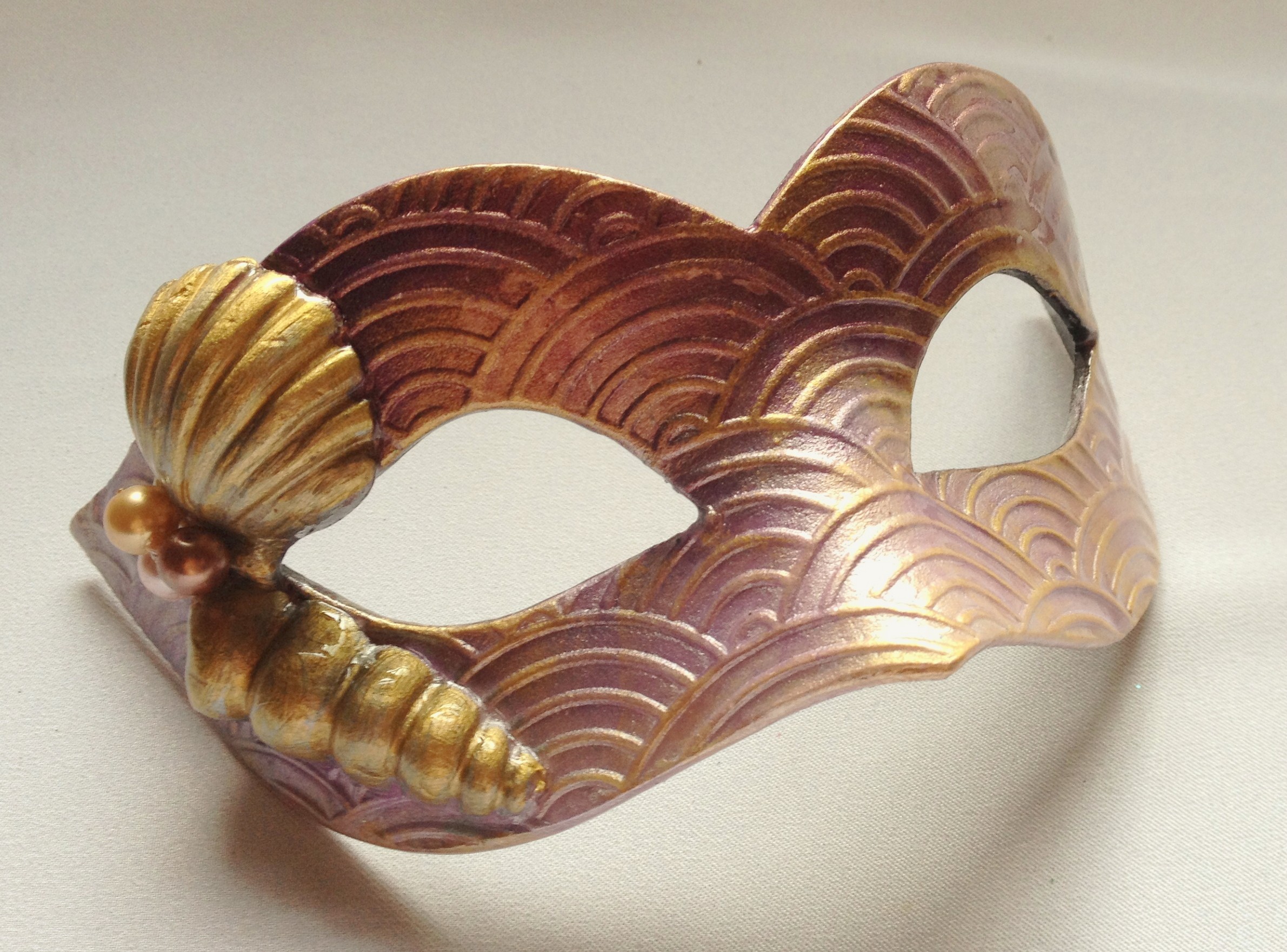
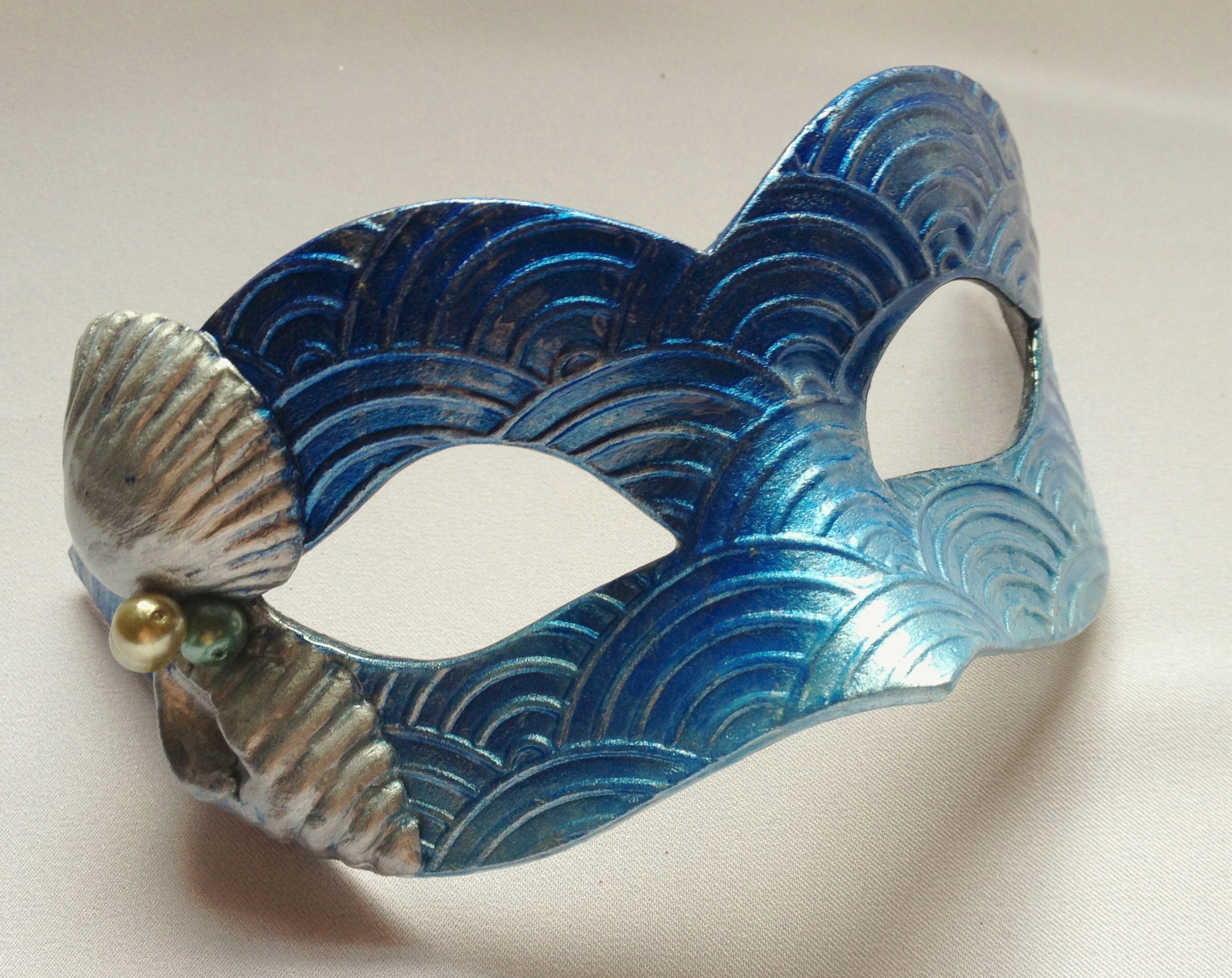
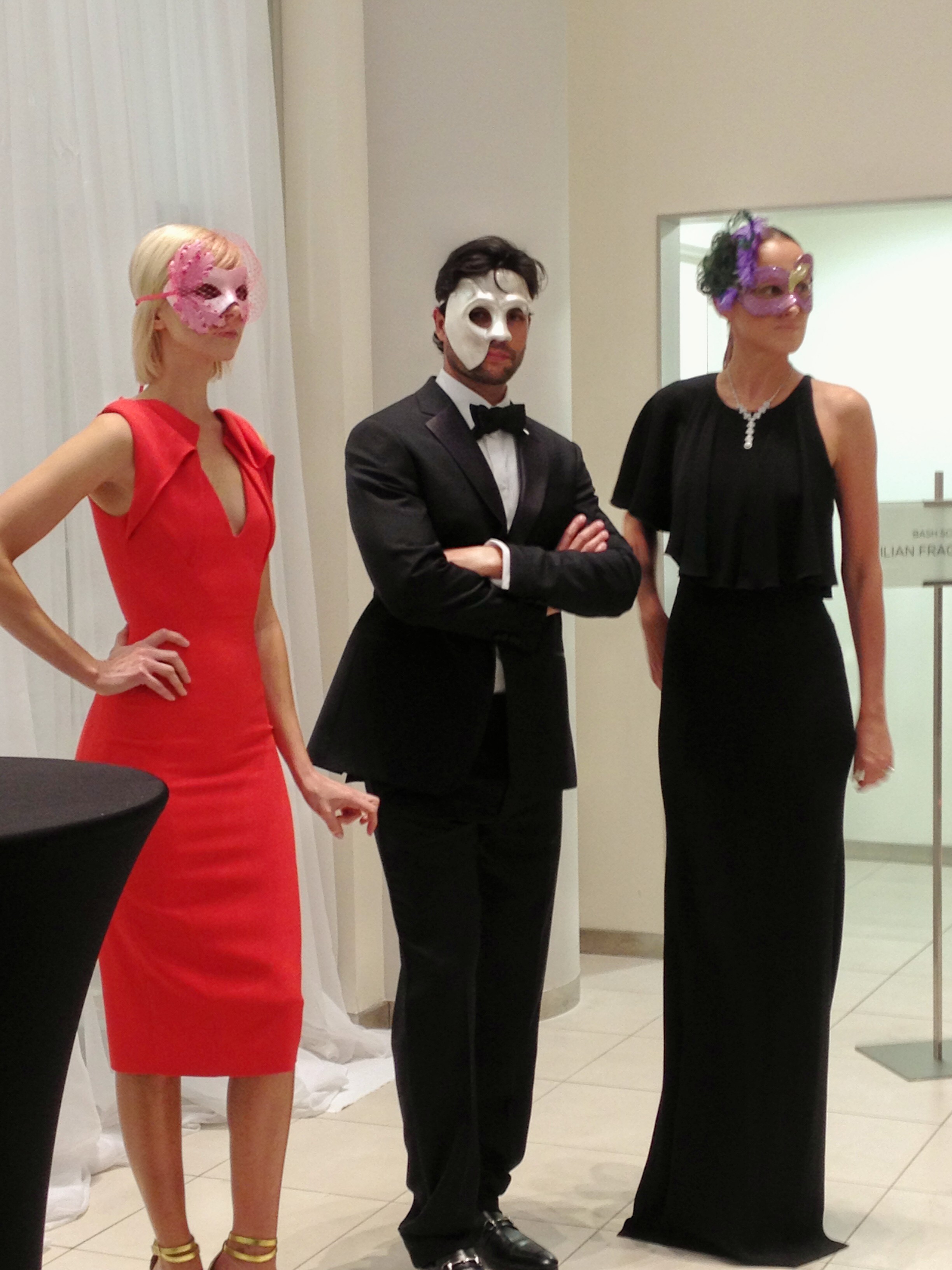
Because when you order a one-of-a-kind handcrafted Karneval Masque we like to celebrate - you! We love it when one of our masks finds its 'rightful owner', that's why we make our masks as special and unique as you. Join our Krewe on Pinterest, Instagram, FaceBook or Google+, upload your photos and masquerade with us!
If you haven't found your mask just yet, check our website and social media sites weekly for new additions. Inventory changes quickly and we are always trying new techniques, so it won't take long for us to craft that special mask you've been looking for.
Ohio Renaissance Fair opens this weekend! Stop by our booth for a special coupon code for website savings through Halloween. If you can't make it to the Renaissance Fair, follow us on Social Media. In celebration of the launch of our new website, we are offering this coupon code to our Krewe too!